

Streamline Your Business Compliance with the Pakistan Tax Registration Certificate Template
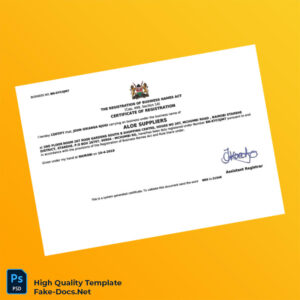
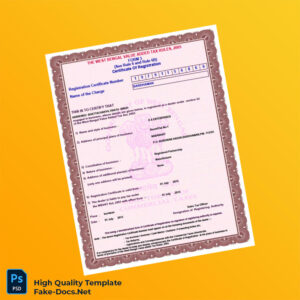
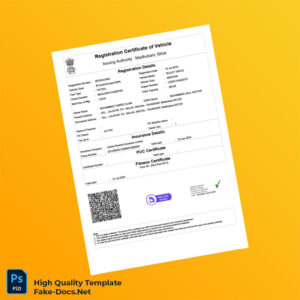
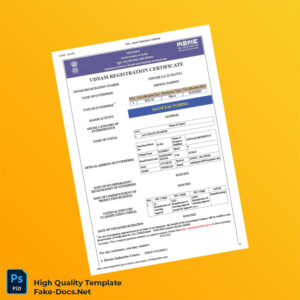
Effortlessly manage your business documentation needs with the Pakistan Tax Registration Certificate Template (Word & PDF), designed for professionals seeking a reliable and editable registration certificate solution. This comprehensive template ensures you can swiftly create a valid and customizable certificate that meets all legal requirements, helping your business stay compliant without unnecessary delays.
Your Solution to Registration Challenges
Imagine the relief of a business owner who, facing an urgent need to replace a lost or expired certificate, turned to a trusted editable registration certificate template. Within minutes, they edited their details, downloaded the certificate, and resumed operations without missing a beat. This template transforms such stressful scenarios into smooth, efficient workflows.
Professional Features Tailored to Your Needs
- Fully Editable Format: Modify every detail from business name to registration number with ease using Word and PDF formats compatible with standard software.
- High-Resolution Design: Ensure your printed certificate looks crisp and official, perfect for professional presentation and audits.
- Comprehensive Compliance: Includes all necessary fonts and layout elements to meet Pakistan’s legal registration standards.
- Instant Digital Access: Download immediately after purchase to avoid delays and streamline business processes.
- Multi-Use Capability: Ideal for new registrations, renewals, or replacements, saving you time on repeated document creation.
- User-Friendly Experience: Designed for both technical and creative professionals needing quick, reliable certificate generation.
Why Choose This Registration Certificate Template?
Professionals often face the challenge of lost or expired certificates, which can disrupt business operations and compliance. This template eliminates such risks by offering an editable and downloadable registration certificate pdf that’s ready whenever needed. By using a certificate of business registration template trusted across industries, you empower your company with efficient compliance management and professional documentation.
Take Control of Your Business Registration Today
Don’t let paperwork slow you down. Upgrade your documentation process with this expertly crafted Pakistan Tax Registration Certificate Template (Word & PDF). Purchase now to receive an editable, easy-to-use solution that secures your business’s legal standing and accelerates your workflows.
Reviews
There are no reviews yet.