


Kenya Pharmacy and Poisons Board Medical Device Registration Certificate Template (Word & PDF)
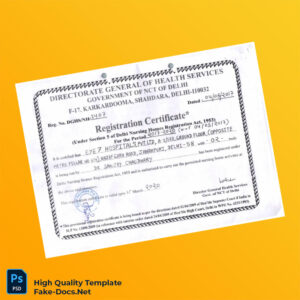
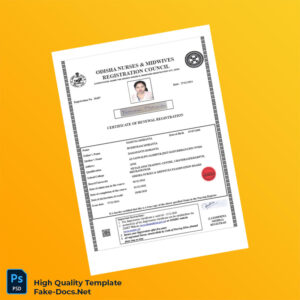
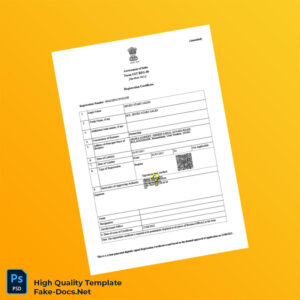
Perfectly designed for medical device companies and regulatory professionals, this editable registration certificate template provides a seamless solution for quickly obtaining a compliant and professionally formatted registration document. Crafted for ease of use, this template is ideal for businesses needing a swift replacement or initial registration certificate with full customization options.
Effortless Document Customization for Medical Device Compliance
Imagine the relief when a regulatory affairs manager urgently needed to update a medical device registration certificate due to a document update deadline. By using this registration certificates template, they swiftly amended all details including company name, device information, and issuance date without waiting weeks for manual processing. The template’s editable format gave them complete flexibility to edit on Word or PDF platforms.
Versatile Features Tailored for Professional Use
Our template offers full editability with instant file downloads after purchase, supporting both Word and PDF formats. It includes all legally compliant wording and required fonts, ensuring the certificate maintains a professional and official appearance. High-resolution outputs guarantee clarity for both digital submission and physical printing. The lightweight file size accelerates document handling, streamlining compliance workflows and reducing administrative burden.
Designed to Solve Critical Certification Challenges
Professionals in medical device regulatory roles often face challenges of document loss, outdated certificates, or complex formatting requirements. This template eliminates those pain points by allowing quick, accurate edits that conform to Kenya Pharmacy and Poisons Board standards. Furthermore, it supports businesses in maintaining uninterrupted legal operations by simplifying the registration certificate renewal and replacement process.
Take Control of Your Medical Device Registration Today
Don’t let document preparation delays hold back your business. Empower your compliance team with this editable registration certificate template to produce accurate, government-compliant certificates rapidly. Download your Kenya Pharmacy and Poisons Board Medical Device Registration Certificate Template (Word & PDF) now and ensure your medical devices stay legally registered and ready for market with confidence.
Reviews
There are no reviews yet.